Black Desert Resort has moved from interesting concept to central topic in the Southern Utah luxury conversation. Buyers who once limited their searches to custom homes in Ivins or gated golf options like Entrada are now asking a different question: should we buy into the region’s most visible new resort community before the market fully prices in what it could become? That is the right question. This guide is designed to help answer it with more discipline.
The attraction is easy to understand. Black Desert combines a striking lava-field setting near Snow Canyon, a luxury hospitality framework, a nationally visible golf identity, and the energy that comes with a major new development still early in its lifecycle. In a market where many luxury communities are already well understood, Black Desert still offers the possibility of being early. That does not make it automatically the right buy. It does make it worth evaluating with care.
Start with the real thesis
The simplest reason to buy at Black Desert is that you believe Southern Utah can support a true destination-grade resort real estate address and that this project has the strongest claim to that role. If you do not believe that, the purchase becomes much harder to justify at a premium.
So begin there. Ask whether the community’s value proposition is durable:
- Is the setting distinct enough to sustain long-term brand identity?
- Does the golf and hospitality platform create genuine differentiation?
- Does the product suit how affluent buyers actually want to use desert homes in 2026?
- Is the market early enough that prestige could still compound from here?
For many buyers, the answer is yes. But it is worth making that thesis explicit before focusing on floor plans and finishes.
Who Black Desert is best for
Black Desert is especially compelling for four buyer groups.
First, there are second-home buyers who want a turnkey Southern Utah base with resort energy. These owners are often cross-shopping Scottsdale, Palm Desert, or even parts of Southern California. They want a residence that feels elevated from day one without a long build process.
Second, there are lifestyle investors. They may not expect short-term speculative gains, but they do believe that getting into the right branded environment early can pay off over a longer horizon if the project executes well.
Third, there are golf-oriented buyers who care about club-adjacent living and place real value on a PGA Tour-linked environment. Golf credibility is not everything, but for this group it is a major confidence signal.
Fourth, there are primary residents who want a polished, amenity-rich living experience and would rather own in a high-service environment than maintain a larger custom estate.
If you do not fit at least one of those categories, it may be worth asking whether a home in Snow Canyon / Ivins or Entrada would align better.
The big advantage: newness without improvisation
Many buyers want new construction but do not want to manage land acquisition, design review, contractor timing, or months of decision fatigue. Black Desert solves that problem. It offers a newer product environment with a more coherent design story than much of the resale market.
That is not a small edge. In Southern Utah, luxury buyers often face a choice between:
- Older homes in established communities that may need updating
- Custom-build opportunities that require patience and oversight
- New development that can feel generic or overly mass-market
Black Desert has the opportunity to sit above those categories if it maintains quality. Buyers are effectively paying for a cleaner decision path as much as for the home itself.
How the PGA Tour factor should influence your thinking
The resort’s PGA Tour visibility matters, but not in a simplistic way. You are not buying a scoreboard. You are buying the signal that a project has enough seriousness, investment, and national relevance to host a high-profile event. That kind of recognition can lift awareness well beyond the local market.
From a buyer’s perspective, the tour connection should matter because it can:
- Increase national familiarity with the community
- Support the resort’s prestige narrative
- Reinforce confidence in golf quality and broader execution
- Attract affluent visitors who later become owners or repeat guests
It should not matter because you assume it guarantees appreciation. Treat it as an amplifier of brand, not a promise of returns.
Evaluate product fit before you evaluate price
A common mistake in resort real estate is asking whether something is “worth it” before deciding whether it fits your intended use. At Black Desert, start by clarifying how you want to own.
Do you want a low-friction second home that can host friends and clients several times a year? Do you want a semi-primary residence where resort services help simplify life? Do you want a statement address with strong design and immediate usability? Or are you mainly trying to capture upside from an emerging destination story?
Each answer points to a different ideal property type. A buyer focused on personal ease may prioritize proximity to core amenities and a more lock-and-leave layout. A buyer focused on prestige may care more about view corridors, signature architecture, and the most recognizable locations inside the development. Clarity on use should shape the budget conversation.
The role of setting in long-term desirability
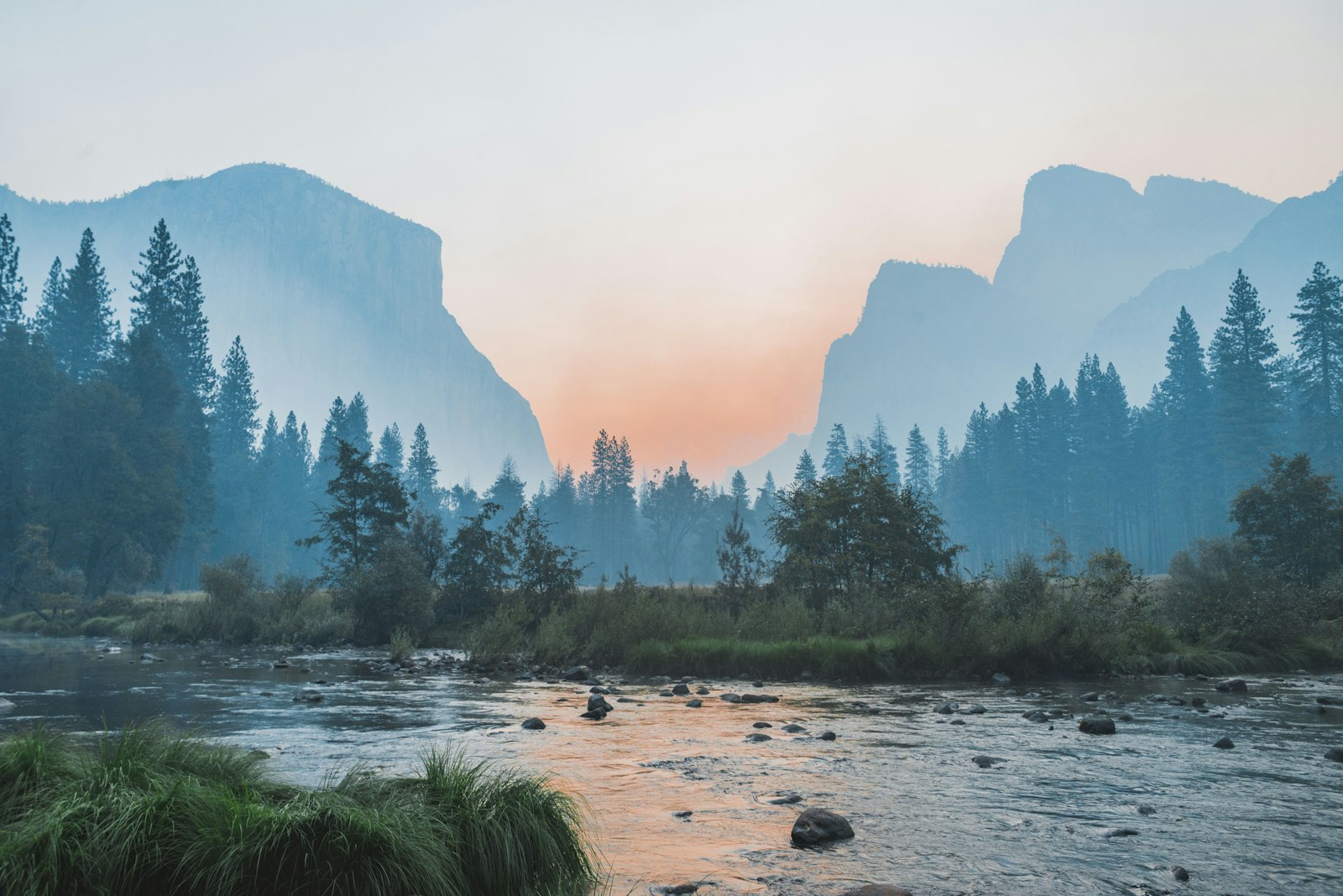
One reason Black Desert stands out is that the setting itself feels branded. The contrast of dark lava with warm cliffs gives the development visual authority. That matters because many resort communities are ultimately remembered by how strongly the land defines them.
This setting does real work for owners. It helps the community photograph well, but more importantly, it makes arriving home feel different. Buyers do not only remember the house. They remember the terrain. In luxury real estate, that emotional recall is valuable.
It also helps separate Black Desert from communities that rely mainly on amenity lists. Amenities can be upgraded. A one-of-a-kind site cannot.
Questions every buyer should ask
Before buying, get precise about the operational side of ownership:
- What are the ongoing costs, including HOA obligations, club structures, and any service-related fees?
- What use restrictions apply to the specific property type you are considering?
- Which residences have the strongest combination of privacy, views, and easy access to the parts of the resort you actually plan to use?
- How would this purchase compare with a similarly priced home in Entrada, Ivins, or The Ledges on a five-year lifestyle basis?
- If you needed to resell in a softer market, what specific attributes would make your unit or home stand out?
These are not pessimistic questions. They are the questions that protect buyers from paying top-tier pricing for mid-tier positioning.
Why some buyers should still choose another community
Black Desert is not automatically the right answer just because it is the newest one. You may prefer Entrada if you want a more established club identity and a known prestige profile. You may prefer The Ledges if your priority is view-rich luxury at a more moderate overall cost. You may prefer a custom home in Ivins if privacy and architectural individuality matter more than resort infrastructure.
The right comparison is not “new versus old.” It is “which ownership model best matches the way I want to live in Southern Utah?”
Pricing logic in an emerging resort community
Luxury buyers should think about Black Desert pricing in layers. The first layer is local comparability. How does the ask compare with high-end alternatives in Southern Utah? The second layer is destination comparability. How does the product compare with what similar money buys in Scottsdale or other resort-oriented desert markets? The third layer is project maturity. How much of the community’s future reputation is already priced in?
That third layer is where judgment matters. If you believe the project will continue to elevate its brand and owner experience, buying earlier can make sense. If you believe current pricing already assumes best-case execution, your margin for error narrows.
Neither answer is universal. It depends on the specific home, your use case, and your tolerance for paying up for a strong narrative.
Final recommendation framework
Black Desert is worth pursuing aggressively if the following are true:
- You want a destination-style ownership experience in Southern Utah
- You value newness, design coherence, and simplified ownership
- You believe the resort’s profile and visibility can strengthen over time
- You want to be early in a luxury story that still feels underwritten by scarcity and setting
You should pause or cross-shop more carefully if:
- You are mainly paying for novelty rather than actual fit
- You prefer quieter residential character over resort energy
- You do not expect to use the amenity framework meaningfully
- A better lot, better privacy, or more personal architecture matters more than the overall brand
The strongest Black Desert purchases will come from buyers who understand that they are not just buying a home. They are buying into an emerging identity for Southern Utah luxury. For the right owner, that is precisely the point.